
-

-
洛阳高温炉实力制造商
质量可靠 性价比高
-

-
服务热线

质量可靠 性价比高
服务热线
热门关键词: tube furnace 硫化物电解质气氛烧结炉 全自动玻璃软化点测定仪 PCY-SP全自动玻璃软化点测定仪 玻璃软化点测试仪(膨胀法) 氢气还原炉
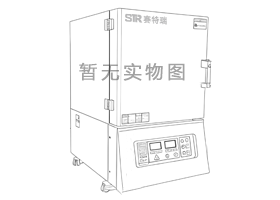
A tube furnace is a type of laboratory or industrial furnace that uses a tubular design for heating and processing materials. Unlike box furnaces, which have a rectangular chamber, tube furnaces feature a long, cylindrical chamber (often in the form of a ceramic or metal tube) through which materials are heated in a controlled environment. Tube furnaces are commonly used for applications requiring precise temperature control, particularly in laboratory settings.
Key Features of Tube Furnaces:
Design:
Cylindrical Shape: The furnace has a tubular chamber, allowing for better control over temperature gradients along the length of the tube.
Heating Elements: Typically, the heating elements are wrapped around or embedded in the tube's outer wall to provide uniform heating. These can be made from materials like silicon carbide or molybdenum disilicide for high-temperature operations.
Tube furnaces are available in a variety of temperature ranges, from low temperatures (up to 1000°C) to high temperatures (up to 1600°C). The temperature range depends on the furnace's design and the materials used for construction.
Tube furnaces are often designed for use under different atmospheres (e.g., vacuum, inert gases like argon or nitrogen, or reactive gases). This makes them suitable for applications like sintering, annealing, or metal processing that require a controlled environment.
Vacuum Tube Furnaces: Can operate in a vacuum or low-pressure environment, which is ideal for preventing oxidation or contamination during heating.
Sintering and Ceramics: Tube furnaces are frequently used for the sintering of ceramic powders and other materials, especially when controlled atmospheres or specific heating profiles are needed.
Heat Treatment: Used for heat treating metals and alloys, such as annealing, hardening, or tempering.
Chemical Reactions: Often employed in chemical synthesis, pyrolysis, or combustion processes, where gases or vapors need to be introduced or removed.
Material Research: In laboratories for material testing, analysis, or research in fields like semiconductors, nanotechnology, and metallurgy.
Tube furnaces come in various sizes, with tube diameters ranging from small (a few centimeters) for laboratory-scale applications to larger ones for industrial uses. The length of the tube also varies depending on the application, ranging from a few centimeters to several meters.
They typically include advanced temperature control systems, such as PID (Proportional-Integral-Derivative) controllers, to ensure that the furnace maintains the desired temperature profile throughout the heating process.
Some tube furnaces also include data logging features to track temperature and process conditions over time.
Advantages:
Uniform Heating: The tubular design helps ensure uniform heat distribution, which is critical for processes like sintering or material annealing.
Atmosphere Flexibility: The furnace's design makes it easy to control the atmosphere inside the tube, whether using vacuum or specific gas flows.
Versatility: Tube furnaces are versatile and can be used for a wide variety of applications, including material processing, research, and product development.
Common Brands and Models:
Lenton Tube Furnace: A well-known brand offering tube furnaces for various scientific and industrial applications.
Carbolite Gero: Offers high-quality tube furnaces with precise temperature control, often used in research and industrial processes.
Tube furnaces are versatile tools ideal for processes requiring high-temperature treatment under controlled atmospheres. Whether in research labs, industrial settings, or material science applications, their ability to provide consistent heating and atmosphere control makes them essential in many scientific and industrial fields.
硫化物电解质气氛烧结炉..
详细了解
全自动玻璃软化点测定仪..
详细了解
STR PCY-SP全自动玻璃软化点测定仪..
详细了解
玻璃软化点测试仪(膨胀法)..
详细了解
1600度氢气还原炉..
详细了解





 售前客服
售前客服